Basement Ventilation and Air Quality in Winnipeg: What You Need to Know
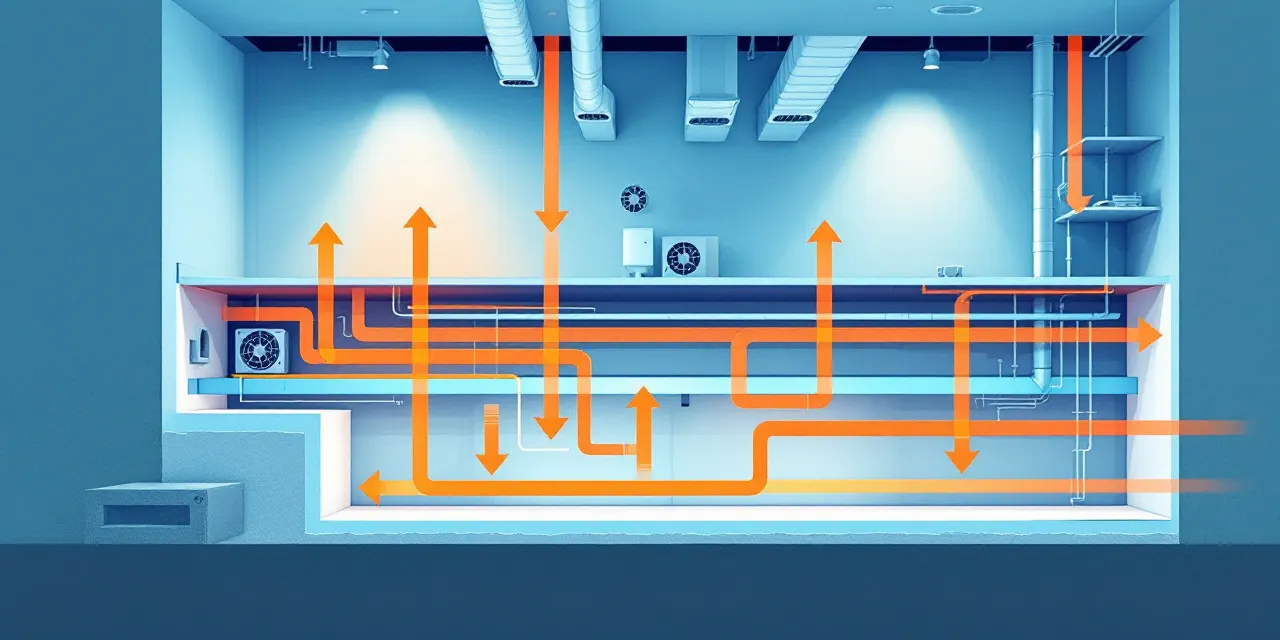
If your Winnipeg basement smells musty, feels stuffy, or shows moisture on the walls, the problem usually starts with ventilation. Our licensed Winnipeg partner crew works on basements across the city, and we hear the same story constantly: homeowners ignore the air quality issue until mould shows up or the HVAC system starts working harder than it should. Cold Manitoba winters seal houses tight, and without proper airflow in the lower level, moisture and stale air have nowhere to go. Winnipeg Basement Pros exists to make the fix straightforward. We send our local crew to your home, they assess what your basement actually needs, and you get one honest, no-obligation quote with no pressure and no guessing. Whether the issue is a missing exhaust fan, inadequate window wells, or insulation that is trapping humidity, we handle it start to finish.
Why Winnipeg Basements Struggle with Air Quality
Manitoba's climate creates a specific ventilation challenge. Homes are buttoned up from October through April, and basements sit below grade where outdoor air exchange is naturally low. Ground moisture migrates through foundation walls, laundry and bathrooms add humidity, and if the space is finished without proper mechanical ventilation, that moisture has no exit path.
The result is elevated humidity, condensation on cold surfaces, and eventually mould growth, which thrives anywhere relative humidity sits above roughly 60 percent for extended periods. Older Winnipeg homes with clay-tile foundations or poured concrete without a drainage membrane are especially prone to this.
Our local crew assesses each basement individually, because a bungalow in River Heights with 1950s construction has different needs than a walkout in Sage Creek. There is no single fix that works for every home, and any company that tells you otherwise is oversimplifying.
Ventilation Solutions Our Licensed Partner Crew Installs
The right ventilation strategy depends on how your basement is used, how it is currently insulated, and where moisture is entering. Our licensed Winnipeg partner crew works with a range of solutions: heat recovery ventilators (HRVs) tied into the existing duct system, dedicated exhaust fans for bathrooms and utility areas, and fresh-air supply runs that balance the pressure in the lower level.
For basements without mechanical ventilation at all, an HRV is often the most efficient upgrade. It recovers heat from outgoing stale air and transfers it to incoming fresh air, so you are not paying to heat cold outdoor air every time the unit runs. That matters in a Winnipeg winter where outdoor temperatures regularly drop well below minus 20 Celsius.
Our crew also addresses the building-envelope side of the equation. Spray foam insulation applied to rim joists and foundation walls significantly reduces cold-air infiltration and condensation on interior surfaces. And properly sized window wells with drainage gravel and covers keep groundwater from backing up against basement windows. Ventilation and moisture control work together, and we look at both when we quote your project.
Basement Window Wells and Their Role in Ventilation
Window wells often get overlooked in conversations about basement ventilation, but they matter more than most homeowners realize. A properly installed window well in Winnipeg does two things: it allows natural light and limited fresh air into a below-grade space, and it provides an emergency egress path if the basement is a finished living area.
The problem is that improperly graded or undersized window wells collect water and debris. When a window well fills with snow melt or rain, pressure builds against the basement window frame and moisture finds its way inside. Our licensed Winnipeg partner crew installs window wells with the correct drainage layer beneath them and covers that keep precipitation out while still allowing the well to function as a light source and egress point.
If you are planning to finish your basement and add a bedroom, Manitoba building code requires a window of specific minimum dimensions for egress. Our crew knows the local requirements and will flag any issues during the quote walkthrough.
Basement Spray Foam Insulation and Air Quality
Spray foam insulation is one of the most effective ways to improve basement air quality in a Winnipeg home, and it is often misunderstood. The connection is simple: most air leaks in a basement happen at the rim joist where the floor framing meets the foundation wall. Cold outside air infiltrates through those gaps, hits warm interior surfaces, and deposits moisture. Over time that moisture degrades wood framing and creates the conditions mould needs to grow.
Closed-cell spray foam seals those gaps completely while also acting as a vapour retarder, which is important in a cold climate where interior humidity is often higher than exterior humidity for most of the year. It is denser and more moisture-resistant than batt insulation for below-grade applications, and it does not sag or shift over time.
Basement spray foam insulation cost in Winnipeg varies depending on the area to be covered, the thickness specified, and site conditions. Our local crew will measure your basement, explain what thickness makes sense for your goals, and give you a clear number in the quote. There are no vague per-square-foot ballpark figures that change after the job starts.
Getting a Free Basement Ventilation Quote in Winnipeg
The process with Winnipeg Basement Pros is simple by design. You request a quote, our licensed Winnipeg partner crew schedules a walkthrough at your home, and they give you a written quote covering everything discussed. No call centres, no estimates made over the phone without seeing the space, and no obligation to move forward.
Our crew is local, which means they understand Winnipeg soil conditions, freeze-thaw cycles, and the quirks of housing stock across different neighbourhoods. That local knowledge changes what they recommend. A spray foam job in a 1960s bungalow with a stone rubble foundation is a different scope than the same job in a 2005 suburb build.
If you are dealing with persistent musty smells, visible condensation, or you are planning a basement renovation and want to get the ventilation right from the start, now is a good time to call. Getting this right before you hang drywall is far less expensive than fixing moisture problems after the fact.
FAQ
How do I know if my Winnipeg basement has a ventilation problem?
The most common signs are a persistent musty or damp smell, condensation on walls or windows, visible mould or mildew, peeling paint on concrete walls, and efflorescence (white mineral deposits) on the foundation. High humidity readings in the basement, typically above 60 percent during winter months, are also a clear indicator that airflow and moisture management need attention.
What is an HRV and does my Winnipeg basement need one?
An HRV (heat recovery ventilator) is a mechanical ventilation unit that exchanges stale indoor air for fresh outdoor air while recovering most of the heat from the outgoing air. In a Winnipeg climate where windows stay closed for months at a time, an HRV is often the most practical way to maintain healthy air quality without a major heat penalty on your energy bill. Whether your specific basement needs one depends on its current setup, and our local crew will advise you after seeing the space.
How much does basement spray foam insulation cost in Winnipeg?
Spray foam insulation cost depends on the area being covered, the product (open-cell vs. closed-cell), and the required thickness. Because every basement is a different size and configuration, we do not publish flat rates that end up misleading homeowners. Our licensed Winnipeg partner crew will measure your basement during the free quote visit and give you an accurate number before any work begins.
Do window wells in Winnipeg need covers?
Covers are strongly recommended for Winnipeg conditions. Spring snowmelt and summer rain can fill an uncovered window well quickly, leading to water pressure against the window frame and eventual moisture intrusion into the basement. Covers designed for window wells allow light and emergency egress while deflecting precipitation and keeping debris out. Our crew installs both the wells and compatible covers as part of a complete moisture-management approach.
Can I improve basement air quality without a full renovation?
Yes. Targeted improvements like sealing rim joists with spray foam, adding an exhaust fan to a bathroom or laundry area, and installing an HRV can make a meaningful difference in air quality without a complete renovation. Our local crew can identify the highest-impact changes for your specific basement and quote those individually if a full renovation is not in your current plans.