Basement Waterproofing in Winnipeg That Actually Holds Up
Water in your basement is not just an inconvenience. In Winnipeg, where the clay-heavy soil expands and contracts with every freeze-thaw cycle, a small seepage problem can turn into serious structural damage faster than most homeowners expect. At Winnipeg Basement Pros, we connect you with our licensed Winnipeg partner crew to get your basement assessed and waterproofed properly. We keep things simple: one free no-obligation quote, one accountable local crew, and a clear plan for keeping your basement dry. Whether you are dealing with active leaks, efflorescence on your walls, or just want to get ahead of the problem before spring melt, our local crew has the hands-on experience with Winnipeg soil and weather conditions to do the job right.
Why Basement Waterproofing Is Critical in Winnipeg
Winnipeg sits on the ancient bed of Lake Agassiz, which means most of the city is built on expansive clay soil. That clay absorbs moisture and swells against your foundation walls, then shrinks back when it dries out. Over years, that repeated pressure causes cracks, joint failures, and eventually water intrusion that no amount of interior patching will permanently fix.
Spring flooding is another real concern here. When the Red River rises or when a heavy snowpack melts quickly, hydrostatic pressure against your foundation increases dramatically. Homes without proper exterior drainage or interior waterproofing systems are the first to see water on the floor.
The good news is that these problems are fixable. Our licensed Winnipeg partner crew works with the specific soil and drainage conditions found in Winnipeg neighbourhoods, so solutions are matched to what your home actually needs, not a generic formula copied from somewhere else.
What Our Local Crew Can Handle
Our licensed Winnipeg partner crew covers the full range of basement waterproofing work: interior drainage systems, sump pump installation and replacement, exterior waterproofing membrane application, crack injection for poured concrete foundations, and window well drainage. They also handle block foundation repairs, which are common in older Winnipeg homes built before poured concrete became standard.
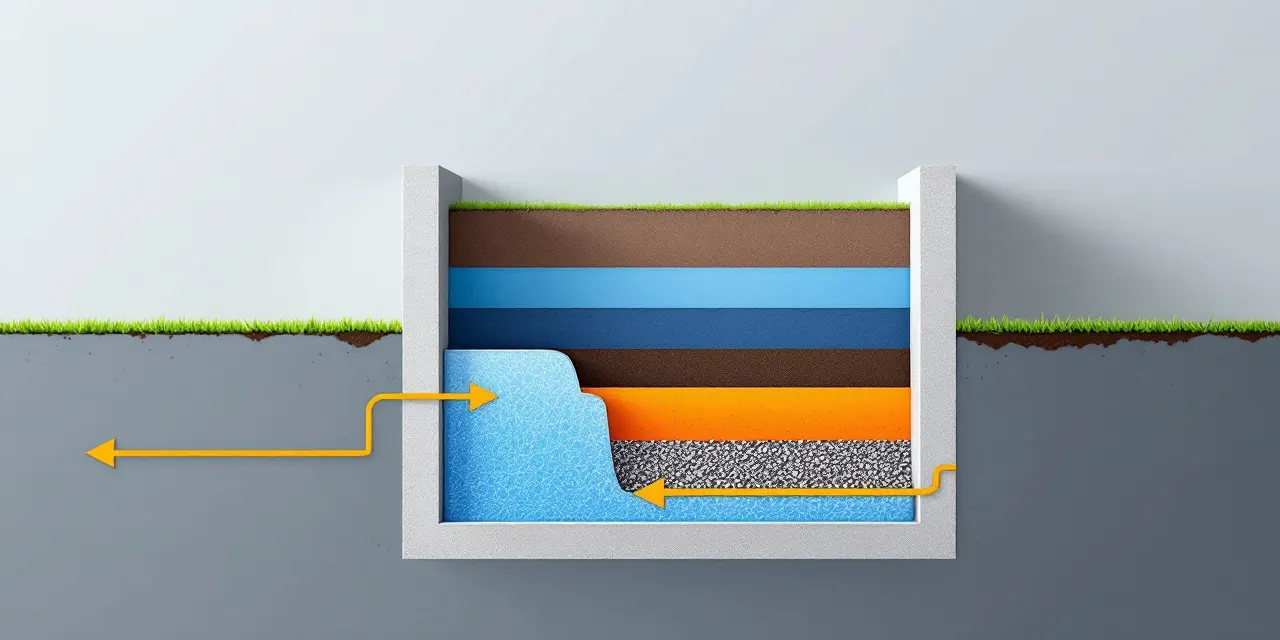
For homes where moisture is entering through multiple points, our crew can design a combined approach: sealing the exterior, installing an interior drain tile system, and adding a reliable sump setup so that any water that does get in is moved out before it does damage.
Every job starts with a thorough inspection so our crew understands exactly where the water is coming from. A solution that addresses the symptom but not the source will fail. That is something we take seriously on every project we take on in this city.
Egress Windows and Waterproofing: Why They Go Together
If your basement project involves cutting in an egress window, waterproofing that opening is not optional. An egress window in Winnipeg requires a properly sized window well, a gravel drainage bed at the base, and a tight seal between the window frame and the foundation wall. Done wrong, the window well becomes a funnel that directs water straight into your basement.
Our local crew installs egress windows in Winnipeg as part of broader basement renovation and waterproofing work. Combining the two scopes in one job means the waterproofing details around the window are handled by the same people responsible for keeping the rest of your basement dry, which matters a lot for long-term performance.
If you are finishing your basement and want to add natural light, an egress window installation is worth discussing during your free quote visit. Our crew can advise on placement, sizing, and the drainage setup needed to keep that opening from becoming a liability.
Our Process: One Crew, One Quote, No Runaround
When you reach out to Winnipeg Basement Pros, we set you up with our licensed Winnipeg partner crew for a free on-site assessment. They look at your foundation type, the drainage around your home, any visible cracks or water staining, and your sump pit if you have one. From that visit you get a clear, written quote with a scope of work explained in plain language.
There is no pressure, no bait-and-switch pricing, and no disappearing act after the quote is delivered. Because we work with one dedicated local crew rather than sending your information to a rotating list of strangers, you know exactly who is showing up and who is accountable for the work.
Once you decide to move forward, scheduling is handled directly with our crew. They pull the required permits where applicable, keep your property clean during the job, and walk you through everything when the work is complete.
Serving Winnipeg Neighbourhoods From the Core to the Perimeter
Our local crew works across Winnipeg, including older neighbourhoods like St. Vital, St. James, Transcona, and River Heights where aging foundations and mature trees are common waterproofing challenges. They also serve newer development areas in the city's south and west where drainage infrastructure is still settling and grading issues can send water toward foundations.
If you are in a neighbourhood close to a floodway or along the Assiniboine, the Red, or any of the smaller waterways that run through the city, your foundation is under more pressure than most. Our crew understands the local geography and factors it into every waterproofing recommendation.
Not sure if your area is covered? Reach out and we will confirm quickly. We are focused on Winnipeg and the surrounding communities, and we are not trying to cover half a province with a single crew.
FAQ
How do I know if my basement needs waterproofing or just a patch?
Patches work for small, isolated cracks that are not actively leaking and are not showing signs of widening over time. If you are seeing recurring moisture, white mineral deposits on your walls, a musty smell, or water appearing in more than one spot, that usually points to a drainage or pressure issue that a surface patch will not solve. Our local crew can tell you honestly which situation you are dealing with after an on-site look.
What causes most basement leaks in Winnipeg specifically?
The clay soil is the main culprit. It holds water against your foundation walls for weeks after rain or snowmelt, and the pressure it creates is relentless. Cracks in poured concrete or failing mortar joints in block foundations eventually give way under that pressure. Poor lot grading and inadequate window well drainage are also common contributors in this city.
Is an egress window required when finishing a Winnipeg basement?
Under the Manitoba Building Code, any basement bedroom must have a window that meets egress size requirements, so occupants can exit in an emergency. If your existing windows do not meet that standard, adding or enlarging one is required before the room can be classified as a legal bedroom. Our local crew handles egress window installation as part of basement finishing and waterproofing projects.
How long does a basement waterproofing job typically take?
Interior drainage and sump work on an average Winnipeg home is often completed in one to two days. Exterior waterproofing, which involves excavating around the foundation, takes longer, generally three to five days depending on the perimeter size and site conditions. Your free quote will include a realistic timeline based on your specific project.
Do I need to leave my home during waterproofing work?
For interior work, most homeowners stay in the house without major disruption. The crew will need clear access to the basement and will typically seal off the work area to contain dust. For exterior excavation, the yard access requirements are more significant but indoor living is not usually affected. Our crew will go over what to expect before work begins.